

The best jewelry doesn’t sit in a box. It’s worn regularly, exposed to water, heat, movement, and accidental bumps. Over time, even the most beautiful pieces show wear. A loose stone. A bent prong. A chain that suddenly snaps. Many people ignore small issues until something breaks completely. Others search “jewelry repair near me” and feel unsure about what actually happens behind the counter. How does it work? Is it expensive? Is it safe to leave your piece with someone?
This guide walks you through the full Jewelry repair process, common repairs, warning signs, costs, and how to protect your jewelry after it’s fixed so you can make confident decisions.
Common Jewelry Repairs
Before understanding how repairs work, it helps to know what jewelers fix most often. Many repairs are minor when caught early, but costly if ignored.
Ring Resizing
Ring resizing is one of the most requested services. Fingers change size due to temperature, weight fluctuation, or life events. A ring that once fit perfectly may start to feel too loose or too tight.
Resizing is a common process that involves either adding or removing metal to adjust the band. Done properly, the seam is invisible, and the ring looks untouched. When handled by an experienced jeweler, the structure and durability of your ring remain intact. If your ring feels uncomfortable, resizing early prevents stress on prongs and stones.
Prong Repair
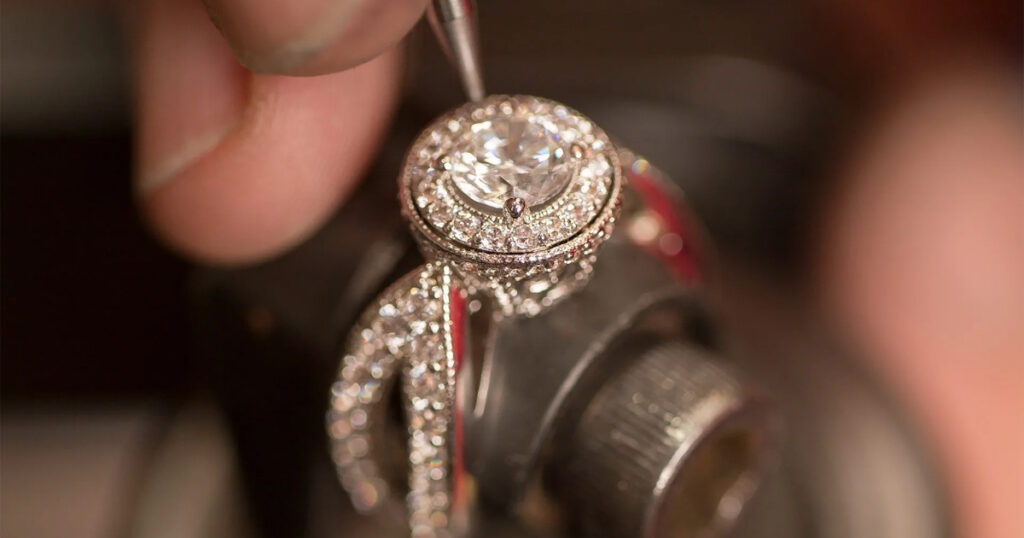
Prongs hold gemstones securely in place. Over time, they can thin out, bend, or wear down from everyday friction. A damaged prong may not look serious at firsr, but one loose prong increases the risk of losing the stone entirely. Catching this early is far more affordable than replacing a lost diamond. Prong repair reinforces or rebuilds the metal tips that secure the gemstone.
Chain Soldering
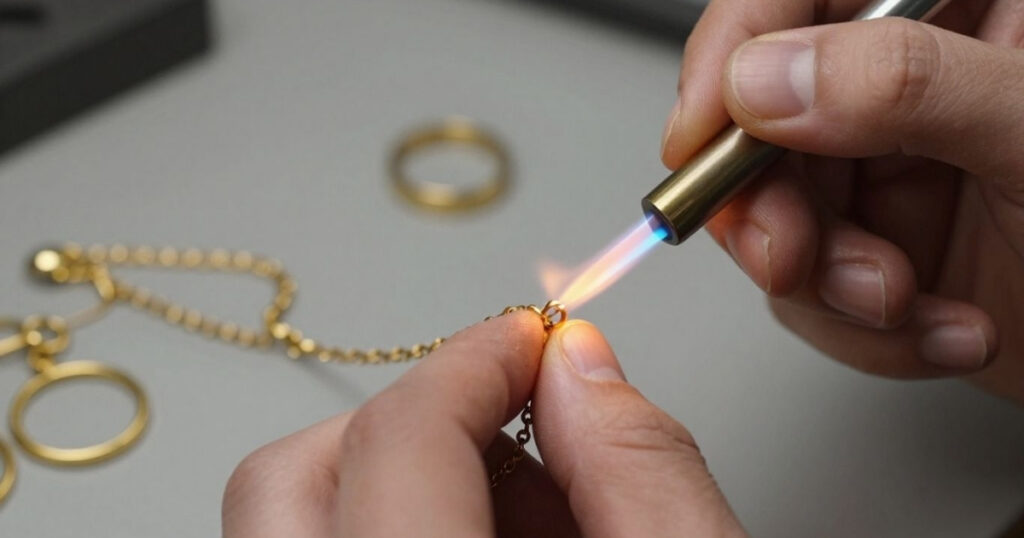
Chains break more often than people expect, even due to regular wear and tear. Thin links weaken with regular wear, especially around clasps. Soldering reconnects broken links using heat and metal bonding. When done properly, the repair blends seamlessly with the rest of the chain. However, if multiple links are worn, a jeweler may recommend reinforcement or link replacements instead of repeated fixes.
Clasp Replacement
Clasps endure constant pulling and pressure. Over time, they may loosen or stop closing securely. A faulty clasp is more dangerous than a broken chain because jewelry can slip off unnoticed. Clasp replacement ensures the piece stays safely in place. This also applies to watch and clasp repair, where security and functionality are equally important.
Signs Your Jewelry Needs Repair
Now that you know common repair types, the next step is recognizing early warning signs.
- If a ring starts snagging clothing, a prong may be lifting.
- If a necklace starts to twist or tangle, the links could be thinning.
- If a bracelet falls off unexpectedly, the clasp likely needs attention or a link may have failed.
- If the metal is looking dull or showing buildup, it may be time for a professional cleaning to stop erosion of the metal which leads to structural damage.
Regarding jewelry cleaning and maintenance, regular professional attention is important for jewelry longevity as improper cleanings can damage or weaken settings over time. A quick inspection every few months prevents larger issues. Small fixes are faster and often more affordable.
Why Professional Jewelry Repair Matters
It’s tempting to try at-home fixes or visit low-cost repair kiosks. But jewelry is delicate. Improper repairs can permanently damage metal or loosen stones. Professional jewelers use specialized tools, microscopes, and precision techniques. They understand metal properties, gemstone settings, and structural balance.
When you bring a piece to a trusted local jeweler like Wulf Diamond Jewelers, you receive an evaluation before any work begins. They explain what’s needed, why it matters, and how long it will take. Professional repair protects both sentimental and financial value.
Jewelry Repair Process Explained
If you’ve never had jewelry repaired before, understanding the process can ease concerns. Here is an overview of the professional jewelry repair process.
Step 1: Inspection
First comes inspection. The jeweler examines the piece closely, often with the loupe (specialized magnifying glass) to identify both visible and hidden issues. Sometimes what looks like a small problem reveals additional wear.
Step 2: Consultation & Cost Estimate
Next is consultation. You’ll receive a clear explanation of the required work and an estimate of how much the jewelry repair costs. Pricing varies depending on metal type, complexity, and stone security. Then comes the repair phase. Depending on the issue, this may involve resizing, soldering, rebuilding prongs, replacing clasps, or polishing. Skilled jewelers ensure the repaired section matches the original finish.
Completion times should be discussed as well, as they do vary based on the repair’s complexity: simple repairs may take a few days. More complex restorations may require one to two weeks. Your jeweler should provide a time estimate during the consultation phase.
Step 3: Cleaning & Quality Assurance
Finally, the piece undergoes cleaning and quality inspection. Stones are checked for tightness. Clasps are tested repeatedly. The goal is to return jewelry in pristine wearable condition, often looking as good as new.
How to Maintain Jewelry After Repair
Once your piece is repaired, proper care keeps it in excellent shape. Start with routine jewelry cleaning and maintenance. Gently clean pieces using approved solutions and soft brushes. Avoid harsh chemicals, especially for delicate gemstones.
Remove jewelry during heavy lifting, workouts, or swimming. Chlorine and impact can weaken metal over time. Store pieces separately to prevent scratches. Soft-lined boxes or pouches reduce friction. Finally, schedule periodic professional inspections. Preventive care extends the lifespan of your favorite items.
Final Thoughts
Jewelry is meant to be worn and enjoyed! Minor damage should not make you feel like your beloved jewelry needs to be locked away in a box–proper repair can restore it beautifully. That’s why understanding the Jewelry repair process helps you act early, avoid costly replacements, and protect meaningful pieces. From ring resizing and repair tips to watch and clasp repair, professional service ensures durability and safety.
If you’re searching for reliable jewelry repair near me, visit Wulf Diamond Jewelers in Crown Point for expert evaluation and trusted craftsmanship.
FAQs
How long does jewelry repair take?
Most minor jewelry repairs take a few days to one week. Complex repairs, custom adjustments, or extensive stonework may take a few weeks, depending on workload and materials required.
Is jewelry repair expensive?
Jewelry repair costs vary based on the type of repair, metal, and gemstone involved. Simple repairs like clasp replacement are usually affordable, while extensive prong rebuilding or resizing platinum rings may cost more. Getting an estimate beforehand ensures transparency.