

Selling a diamond is a decision that deserves more than a quick estimate and a handshake. Whether you have an engagement ring from a previous relationship, an inherited diamond you no longer wear, or a loose stone sitting in a jewelry box, you probably want two things: a fair price and a straightforward selling experience.
The challenge is knowing who you can trust.
When you work with professional diamond buyers, you have the benefit of experienced professionals who understand diamond grading, market conditions, and the factors that influence resale value. Instead of relying on a quick guess, a reputable buyer can examine your diamond, explain its characteristics, and make an offer based on its current market value.
If you’re considering selling, it helps to understand what separates professional buyers from less experienced sellers, how the appraisal process works, and what you can do to prepare before accepting an offer.
Why Work With Professional Diamond Buyers?
Not every diamond buyer approaches a purchase in the same way. The buyer you choose can make a significant difference in how clearly your diamond is evaluated and how comfortable you feel throughout the transaction.
The Risk of Selling to Unverified Buyers
Selling to an unfamiliar or unverified buyer can make it difficult to know whether you’re receiving a reasonable offer. A buyer without appropriate diamond knowledge may not accurately assess important characteristics, while an aggressive buyer may focus more on closing the transaction than explaining the value of your stone.
That doesn’t mean every buyer outside a traditional jewelry store is dishonest. It simply means you should do your research before handing over a valuable diamond.
Look for a buyer with relevant experience, a transparent evaluation process, and a reputation you can verify.
What Makes a Diamond Buyer Professional?
Professional diamond buyers understand that a diamond’s value isn’t determined by appearance alone. They consider the stone’s grading characteristics, certification, condition, shape, and current market demand when evaluating it.
A professional evaluation should also be understandable. You should be able to ask questions about your diamond and receive clear answers rather than being given a price without explanation.
At Wulf Diamond Jewelers, the company highlights its experience in the jewelry industry and its GIA-certified professionals and appraisal services.
How Trusted Diamond Buyers Protect Your Interests
Trusted diamond buyers should make the selling process clear from beginning to end. That includes explaining the evaluation, discussing the factors that affect your diamond’s value, and presenting the offer without unnecessary pressure.
Before accepting an offer, ask:
- How was my diamond evaluated?
- Was the diamond graded or examined by a qualified professional?
- Does my existing grading report affect the evaluation?
- Is the offer based on current market conditions?
- Are there any fees or deductions I should know about?
Taking the time to understand the offer can help you make a more informed decision.
For additional guidance, you can also review Wulf’s diamond selling information before deciding where to sell.
How to Sell Diamonds for Cash: A Simple Step-by-Step Process
If your goal is to sell diamonds for cash, the process doesn’t have to be complicated. A reputable buyer should be able to explain each stage clearly.
Step 1: Have Your Diamond Appraised
The first step is understanding what you’re selling.
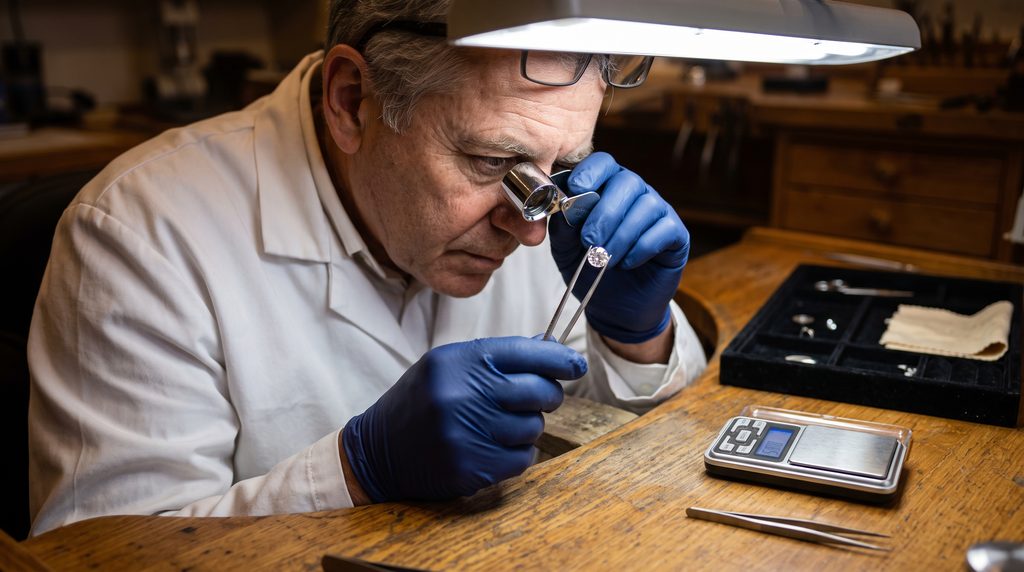
A professional appraisal examines characteristics such as the diamond’s Cut, Color, Clarity, and Carat Weight, commonly known as the 4Cs. Other factors may also be considered, including the diamond’s shape, certification, condition, and marketability.
Wulf Diamond Jewelers provides jewelry appraisal services where a certified jewelry appraiser evaluates factors such as weight, materials, quality, gem rarity, markings, and manufacturing.
If you’re selling a loose diamond, Wulf also explains what jewelers look for during the appraisal process, including certification, authenticity, the 4Cs, shape, and the diamond’s history.
Step 2: Review the Offer
Once the diamond has been evaluated, the buyer should explain the offer and the reasoning behind it.
Remember that an appraisal value and a cash offer are not necessarily the same thing. An appraisal may be prepared for purposes such as insurance or replacement valuation, while a cash offer reflects what a buyer is willing to pay for the diamond in its current resale market.
Wulf’s diamond-selling guide specifically recommends understanding the difference between an appraisal value and a cash offer before selling.
Step 3: Decide Whether to Sell
A good selling experience should give you enough information to make your own decision.
Don’t feel obligated to accept the first offer simply because you’re already at the store. Compare your options, ask questions, and make sure you understand the terms of the transaction.
Step 4: Complete the Transaction
If you decide to accept the offer, the buyer will complete the purchase and arrange payment according to its established process.
For questions about selling diamonds or to discuss an appointment with Wulf Diamond Jewelers, visit the Contact Us page.
What Determines a Diamond’s Value?
Before you sell, it helps to understand why one diamond may be worth considerably more than another that appears similar at first glance.
The 4Cs: Cut, Color, Clarity, and Carat Weight
The 4Cs are fundamental to diamond grading and valuation:
- Cut: Refers to how effectively a diamond has been proportioned and finished to interact with light.
- Color: For traditional white diamonds, this describes how much color is present.
- Clarity: Refers to internal inclusions and external blemishes.
- Carat Weight: Measures the diamond’s weight, not its physical dimensions.
The 4Cs work together. A larger diamond isn’t automatically worth more than a smaller diamond if the other quality characteristics differ.
Diamond Certification and Grading Reports
A diamond grading report provides important information about a stone’s characteristics. Reports from recognized laboratories can help buyers and sellers understand what they’re evaluating.
If you have a GIA or other grading report, bring it with you when you’re selling. Wulf’s guide notes that grading reports can provide useful evidence of a diamond’s characteristics, although an appraisal and grading report serve different purposes.
For a deeper explanation, read Wulf’s guide to understanding a diamond grading report.
Natural vs. Lab-Grown Diamonds
Whether a diamond is natural or laboratory-grown can also affect its resale value and the type of offer you receive.
Professional buyers can use appropriate gemological testing and examination methods to determine the characteristics of a stone. If you aren’t sure whether your diamond is natural or lab-grown, an experienced buyer can help identify what you’re selling before determining its value.
Diamond Shape
Shape can also influence market demand. Round diamonds, for example, may have different market values from fancy shapes such as oval, pear, marquise, or emerald cuts.
The shape alone doesn’t determine the final price, but it can influence what buyers are willing to pay.
Condition and Jewelry Setting
If your diamond is mounted in a ring, necklace, or another piece of jewelry, the condition of the setting can also be relevant to the overall evaluation.
A mounted diamond can still be appraised and sold. However, the buyer may need to carefully inspect the stone while it remains in its setting.
If you’re selling the complete piece rather than just the diamond, the metal, craftsmanship, design, and other gemstones may also contribute to the overall value.
Why Choose Wulf Diamond Jewelers as Your Certified Diamond Buyers?
Choosing the right buyer is about more than finding someone who will purchase your diamond. You want a company with experience, professional knowledge, and a process that makes you comfortable.
Wulf Diamond Jewelers has served the Northwest Indiana community for decades and offers diamond buying, jewelry buying, and appraisal services. The company states that its team includes GIA-certified professionals and emphasizes transparent, honest service.
Experienced Jewelry Professionals
Experience matters when you’re dealing with valuable diamonds and jewelry. A knowledgeable professional can explain the characteristics of your stone and help you understand how those characteristics affect its value.
Wulf’s About Us page describes the company’s long history in the jewelry industry and its transition from wholesale gemstone work to serving the general public.
You can learn more about Wulf Diamond Jewelers and its history before scheduling your visit.
Transparent, No-Pressure Service
Selling a valuable piece of jewelry can already be an emotional experience. You shouldn’t also have to deal with confusing pricing or aggressive sales tactics.
A transparent buyer should explain the evaluation and give you an opportunity to make your decision comfortably.
Wulf describes its approach as honest, transparent, and focused on customer relationships rather than simply completing a transaction.
Professional Appraisal Services
An accurate evaluation is an important part of understanding what you own.
Wulf offers professional diamond and jewelry appraisal services to help customers understand the characteristics and value of their jewelry.
A Convenient Local Option
If you’re in or around Crown Point, Indiana, working with a local jewelry professional can give you the opportunity to discuss your diamond face-to-face rather than mailing it to an unknown buyer.
Wulf Diamond Jewelers is located at 10460 Broadway, Crown Point, IN 46307, and its website provides appointment and contact information for customers interested in its services.
How to Prepare Before Selling Your Diamond
A little preparation can make the selling process easier.
Gather Your Diamond Documents
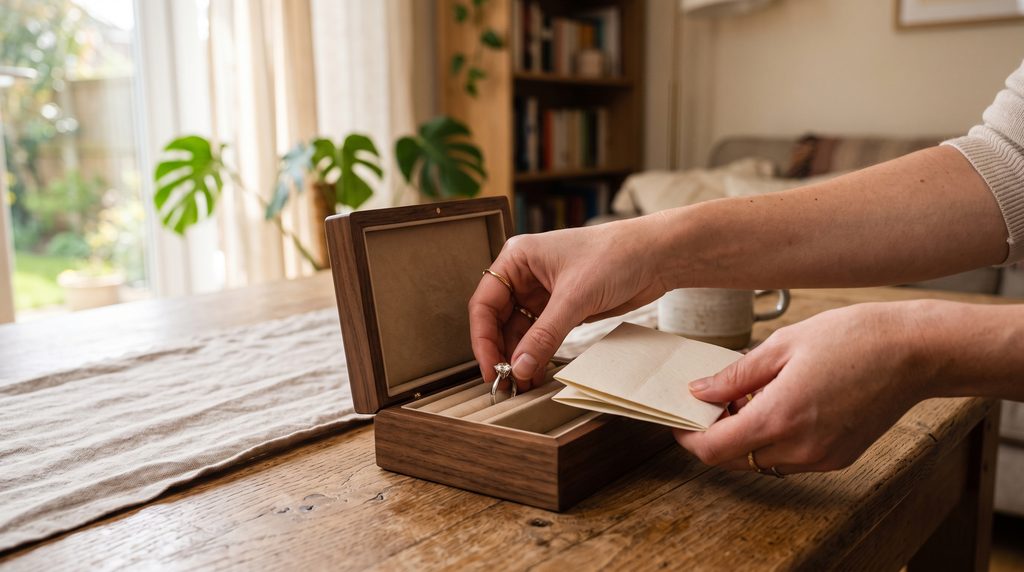
Bring any documentation you have, including:
- GIA, IGI, or another laboratory grading report
- Original purchase receipts
- Previous appraisal documents
- Documentation related to the diamond’s history
- Original jewelry packaging, if available
You don’t necessarily need every document to sell your diamond. However, having supporting paperwork can give the buyer additional information during the evaluation.
Know What You’re Selling
If possible, find out your diamond’s carat weight, shape, grading information, and whether you have an existing certificate.
You don’t need to become a gemologist before selling your diamond. The goal is simply to have enough information to ask informed questions.
Compare Your Options
Don’t judge an offer without context.
Research several potential buyers, look at their reputation, and ask how they evaluate diamonds. Wulf’s own guidance recommends researching buyers and considering their experience, appraisal practices, certifications, and reviews before selling.
Don’t Confuse Insurance Value With Cash Value
One of the biggest mistakes sellers make is assuming an insurance appraisal tells them exactly how much cash they should receive.
It doesn’t.
Insurance appraisals are generally designed around replacement value, while a buyer’s offer reflects the current resale market and what the buyer can reasonably pay.
Understanding this distinction can help you set realistic expectations.
What Is the Best Place to Sell Diamonds?
The best place to sell diamonds depends on the type of diamond you have, the buyer’s expertise, the evaluation process, and the offer you receive.
Pawn shops, auctions, online marketplaces, private buyers, and established jewelry stores can all represent different selling options. However, the most important thing is to choose a buyer who can properly evaluate your diamond and clearly explain the offer.
For many sellers, an established jewelry buyer with professional gemological knowledge provides a convenient way to have the diamond evaluated in person and discuss the offer directly.
Wulf Diamond Jewelers specifically buys diamonds, including diamond rings, engagement rings, and loose diamonds, and invites sellers to visit its showroom for cash offers.
If you’re researching local options, start with Wulf’s diamond buyers page to learn more about its buying process.
Final Thoughts
Selling a diamond doesn’t have to feel like a gamble.
The key is choosing professional diamond buyers who understand how diamonds are evaluated and who are willing to explain the process. Look beyond the promise of “top dollar” and pay attention to experience, professional credentials, transparent evaluations, and customer service.
Before you sell, have your diamond properly evaluated, gather any certificates or supporting documents you have, understand the difference between appraisal and cash value, and take the time to review your offer.
When you know what you’re selling and work with a reputable buyer, you can approach the transaction with much greater confidence.
Diamond Selling FAQs
1. Who are professional diamond buyers?
Professional diamond buyers are experienced experts who evaluate and purchase diamonds based on quality, certification, market demand, and current pricing. They provide transparent offers backed by industry knowledge.
2. How do professional diamond buyers determine the value of my diamond?
Professional diamond buyers assess the diamond using the 4Cs Cut, Color, Clarity, and Carat Weight along with certification, shape, condition, and current market trends to determine its fair value.
3. Is it safe to sell my diamond to professional diamond buyers?
Yes. Reputable professional diamond buyers use secure evaluation processes, transparent pricing, verified payment methods, and often provide free appraisals to ensure a safe selling experience.
4. What documents should I bring when selling my diamond?
Bring any diamond grading certificates (such as GIA or IGI), purchase receipts, original packaging, and identification. While certificates help increase buyer confidence, many professional diamond buyers can still evaluate uncertified diamonds.